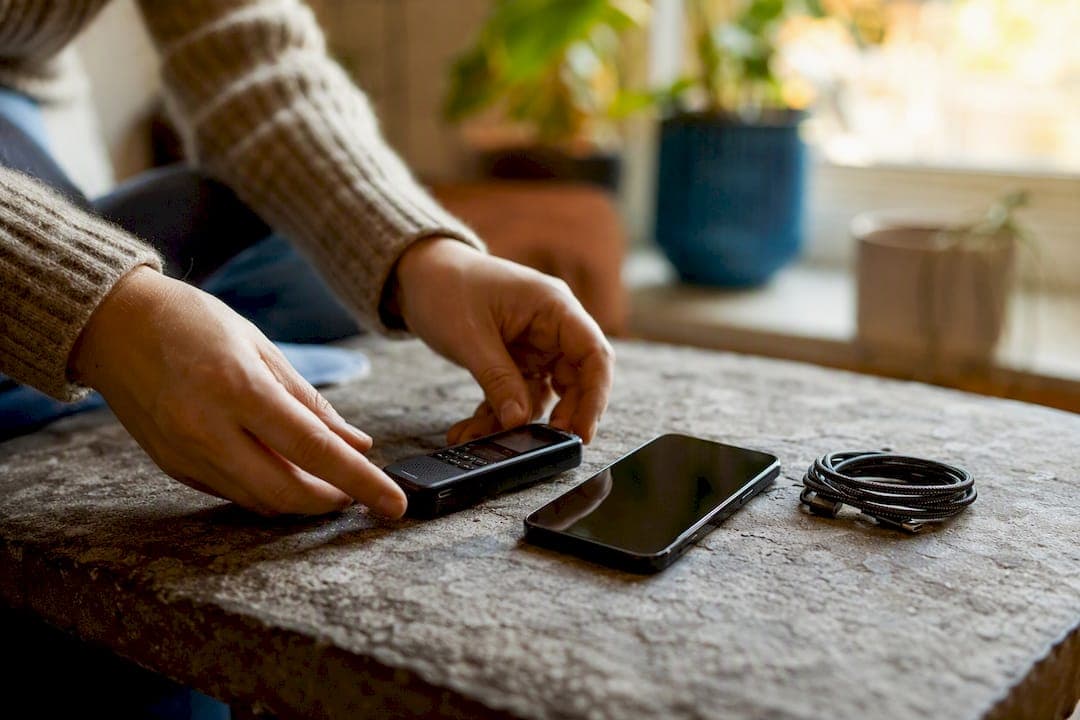
A subpoena sent to a carrier almost never produces the words inside a text message. It produces metadata: who called or texted whom, when, and for how long. If you need actual message content, you're looking at a party production request, a court order, or a device extraction, and the clock matters more than the paperwork because carriers purge content in days while you're still drafting.
TL;DR:
- Carriers usually provide metadata such as call times, numbers, and subscriber information, but rarely deliver message content unless legally compelled through warrants or device extractions.
- Narrowly tailored requests for specific call and message logs within a short timeframe are more likely to succeed and avoid objections from carriers and courts.
- Content stored on cloud backups or devices often survives longer than carrier records and should be considered as alternative sources, especially for messages over weeks or months old.
- Proper authentication of messages for court depends on forensic extraction and custodian certification, with screenshots being easily disputed without corroborating metadata.
- Privacy laws like GDPR and CCPA typically do not block valid U.S. subpoenas, but requests should be narrow and specific to avoid delays or refusals from providers.
Table of Contents
- How to Subpoena Message Records: What the Law Actually Allows
- Step-by-Step: How to Get Message Records Through Discovery and Subpoena
- How Long Do Carriers Keep Text Messages? Retention Windows Explained
- What Makes Text Message Evidence Admissible in Court?
- Checklist: What to Put in a Subpoena, Preservation Letter, or Production Request
- Documenting the Pattern Without a Subpoena: What ReplyCalmly Adds
- Do U.S. Subpoenas Work for Records Held Overseas?
- Does GDPR or CCPA Affect Subpoenaed Message Records?
- Practitioner Perspective: Common Mistakes and Priorities
- A Practical Next Step While You Sort Out the Legal Process
- Sources
How to Subpoena Message Records: What the Law Actually Allows
The gap between what people assume a subpoena does and what it legally does is the single biggest source of wasted time in this process. Under the Stored Communications Act, 18 U.S.C. § 2703, carriers are split into two categories of data, and the rules for each are different.
Content means the actual message body: what was typed, sent, or received. Non-content (also called metadata) means everything around the message: the phone numbers involved, timestamps, call duration, and subscriber account details.
Federal law generally blocks providers from handing message content to private litigants in response to a civil subpoena, according to a guide on subpoenaing text messages. What you'll typically get instead:
- Call detail records showing numbers dialed and received, with date and time stamps
- SMS/MMS detail records showing that a message was sent, but not what it said
- Subscriber and account information tied to a phone number
- Billing records that can corroborate a pattern of contact
Metadata retention runs for an extended period depending on the carrier, while message content is often held for only a few days, if retained at all, per that same guide. For government investigators, the SCA's warrant requirement kicks in for content stored 180 days or less, which is why law enforcement usually seeks a warrant rather than a subpoena when content is the target, according to a compliance guide on responding to law enforcement requests. Civil litigants don't have warrant power at all, so a subpoena to Verizon, AT&T, or T-Mobile asking for "all text messages" will typically get objected to or return nothing but call logs.
That's why the practical strategy in most custody, divorce, and civil disputes shifts away from the carrier and toward the other party, their device, or their cloud backups, where content might actually still exist.
Step-by-Step: How to Get Message Records Through Discovery and Subpoena
There are two separate roads to message evidence, and most self-represented litigants pick the wrong one first.
- Request production from the opposing party under Rule 34. If the other party is in the lawsuit, Federal Rule of Civil Procedure 34 lets you request they produce texts directly, which sidesteps the SCA entirely because you're asking the party, not the carrier. Specify the phone number, exact date range, the app or thread involved, and the format you want (a forensic export or native backup file, not a PDF of screenshots).
- Issue a Rule 45 subpoena to the carrier for non-content records. Serve it on the carrier's registered agent for legal process (not customer service), name the account holder and number, and request call detail records, SMS detail records, and subscriber information. Keep the date range tight. A vague ten-year request invites an undue burden objection.
- Expect and respond to objections. Carriers routinely object on SCA/content grounds, overbreadth, or burden. Narrow the request to specific numbers and a defined window, and cite the non-content categories you're actually asking for.
- File a motion to compel if the carrier or party stonewalls, or expect a motion to quash if your subpoena was too broad. Courts side with narrowly tailored requests far more often than fishing expeditions.
- Ask for a custodian certification so the records come in as self-authenticating business records rather than requiring live testimony later.
- Send a preservation letter immediately, to both the individual and the carrier. Name the phone numbers, the date range, and the specific data types you need preserved, and follow up in writing if you get silence.
Courts have found vague preservation instructions insufficient; a letter that doesn't name specific identifiers and data types may not stop deletion at all, according to a practical guide on legally obtaining text message records.
Pro Tip: Send your preservation letter before you file anything else. A subpoena takes weeks to draft and serve correctly, but carriers can purge content in days. The letter buys you time; the subpoena is the follow-through.
How Long Do Carriers Keep Text Messages? Retention Windows Explained
The honest answer is that the record you want might already be gone, and knowing where else it could survive changes your entire strategy.
Carrier content retention is often measured in days, not months. Metadata survives much longer, sometimes one to seven years, which is part of why Verizon and similar carriers are a reliable source for call logs and SMS detail records but a poor one for actual message text. If the conversation happened last week, a fast preservation letter to the carrier and the individual might still catch it. If it happened six months ago, the carrier's copy is almost certainly gone.
That doesn't mean the message is unrecoverable. Content frequently survives elsewhere:
- iCloud and Google backups can retain message history well past what the carrier holds, and accessing them typically requires the account holder's consent, a court order, or, for law enforcement, a warrant.
- Device-level extraction can recover messages still sitting on a phone, sometimes including deleted ones if they haven't been overwritten by new data.
- iMessage, Signal, and WhatsApp route through their own servers, not the carrier network, so a carrier subpoena won't surface them at all. iMessage in particular often bypasses carriers entirely, meaning device or iCloud access becomes the only realistic path to that content, according to a forensic analysis of text message evidence.
- Signal's disappearing messages and limited retention design make after-the-fact recovery unlikely once a thread has been deleted.
If the messages are days old, act today: send the preservation letter and consider immediate device imaging. If they're weeks old, focus on device and cloud backups rather than the carrier. If they're months old, your best shot is often the other party's phone, their cloud account, or a device they haven't yet replaced.
What Makes Text Message Evidence Admissible in Court?
Getting the record is only half the job. A judge still has to accept it as genuine, and that's where a lot of otherwise solid cases fall apart.
Federal Rules of Evidence 901 and 902 govern authentication. Live witness testimony can establish that a message is what it claims to be, but two shortcuts matter more in practice: FRE 902(11) allows certified business records, like carrier metadata with a custodian certification, to come in without a witness on the stand, and FRE 902(14) covers process-based authentication for forensic data, meaning a properly documented digital extraction can authenticate itself if the process is described and verified.
- Forensic extraction with hash verification is treated as the strongest form of proof because it captures message content, metadata, and often deleted items with a documented, tamper-evident process.
- Screenshots carry no verifiable metadata and are trivially easy to fabricate or edit, which is why courts increasingly discount them absent corroboration, according to forensic authentication experts.
- If screenshots are genuinely all you have, bolster them: preserve the original device untouched, log exactly who took the screenshot and when, and get the other party's carrier records to corroborate the timeline even if they don't show content.
- Document chain of custody from the moment a device or account is accessed: who handled it, what tool extracted the data, and where the original file is stored.
A properly prepared custodian certification under FRE 902(11) can make carrier metadata admissible without ever putting a records custodian on the stand, which saves time and cost in a case that's already stretched thin. Our guide on whether text messages are admissible in custody cases covers the hearsay exceptions that often apply alongside authentication.
Checklist: What to Put in a Subpoena, Preservation Letter, or Production Request
Most rejected subpoenas fail for the same handful of reasons: they're too broad, they're missing an identifier, or they ask for something the SCA won't allow anyway.
- Case caption and civil action number on every document, matched exactly to the court filing.
- The exact phone number(s) involved, spelled out with area code, no abbreviations.
- A defined date range, narrow enough to survive an undue burden objection.
- The specific record type: call detail records, SMS detail records, subscriber info, not "all records."
- Requested production format: forensic export or native file, not a screenshot or printout.
- A custodian certification request so records are self-authenticating under FRE 902(11).
- Preservation letter follow-up language: a deadline for written confirmation and a note that failure to preserve may support spoliation sanctions.
The most common drafting mistake is asking for "all communications" instead of a bounded set. Courts and carriers both read that as a fishing expedition, and it's the fastest route to a motion to quash.
Documenting the Pattern Without a Subpoena: What ReplyCalmly Adds
A subpoena or forensic export tells you what happened on one date. It rarely captures the pattern of behavior that a custody judge actually cares about. That's the gap ReplyCalmly's incident tracker is built to fill: timestamped, categorized logs of custody conflicts, missed exchanges, or manipulation attempts, built alongside the message itself.
The response generator also addresses a quieter risk: a co-parent who fires back an angry text often hands the other side's attorney a gift. Calm, documented replies reduce that exposure. None of this replaces formal discovery, forensic extraction, or a subpoena when the case demands one. It gives you a contemporaneous record to sit alongside them.
Do U.S. Subpoenas Work for Records Held Overseas?
A subpoena issued by a state or federal court only compels a party or entity subject to that court's jurisdiction, and a lot of message data lives with platforms whose servers or corporate structure sit outside the United States.
If the person you're pursuing used WhatsApp, Signal, or another app whose parent company or data storage isn't domestic, a standard Rule 45 subpoena may not reach the records at all. In those cases, litigants typically fall back on one of a few routes: a Mutual Legal Assistance Treaty (MLAT) request, which is slow and generally reserved for criminal matters; a letter rogatory, which asks a foreign court for cooperation; or the Clarifying Lawful Overseas Use of Data (CLOUD) Act, which lets U.S. law enforcement compel U.S.-based providers to produce data stored abroad under certain agreements, though its practical use is again concentrated in criminal and government contexts rather than private civil disputes.
For most custody and divorce litigants, the realistic path when data sits overseas isn't a cross-border subpoena at all. It's compelling the other party directly through discovery, since they're already inside the court's jurisdiction even if their data isn't. If the opposing party has the app on their phone or backed up to their own cloud account, a Rule 34 request aimed at them, not the foreign server, is almost always faster and cheaper than international legal process. Save cross-border efforts for cases where a party genuinely can't be compelled and counsel has assessed that the cost is worth it.
Does GDPR or CCPA Affect Subpoenaed Message Records?
Privacy statutes rarely block a valid U.S. court subpoena, but they shape how providers respond and what they're willing to hand over voluntarily.

The California Consumer Privacy Act (CCPA) generally doesn't override a lawful subpoena or court order; it governs how businesses handle consumer data in the ordinary course, and most statutes, including the CCPA, carry exceptions for legal process. A properly served subpoena or discovery request still compels compliance from a California-based carrier or app provider.
The GDPR is more likely to surface in international cases: if a platform's data processing is anchored in the European Union, the company may require a formal legal process, sometimes an MLAT or a recognized foreign judgment, before releasing personal data, even in response to a U.S. subpoena. This is one more reason cross-border requests move slower and cost more than a domestic Rule 45 subpoena to Verizon, AT&T, or T-Mobile.
For most readers dealing with a domestic custody or divorce matter, the practical takeaway is simple: privacy law is not a shield against a properly scoped subpoena or discovery request, but it is a reason to keep requests narrow. Overbroad requests are exactly the kind privacy-conscious providers and courts push back on hardest.
Practitioner Perspective: Common Mistakes and Priorities
The pattern we see most often isn't a bad subpoena. It's a late one. People wait weeks to send a preservation letter, lean entirely on screenshots because forensic extraction sounds expensive, or draft a subpoena so broad it gets quashed before it does any good. If you've just discovered messages that matter, preserve the device and any cloud backups first, get metadata moving through a carrier request second, and only then decide whether forensic extraction is worth the cost. Bring an attorney in early. The procedural mistakes here are hard to undo after the fact.
— Reply Calmly Team
A Practical Next Step While You Sort Out the Legal Process
Subpoenas, preservation letters, and forensic exports take time, and most custody conflicts don't pause while you wait for a carrier to respond. ReplyCalmly gives you a way to build your own contemporaneous record in the meantime: an incident tracker that timestamps and categorizes conflicts as they happen, plus a response generator that helps you reply to a hostile message without handing the other side ammunition.
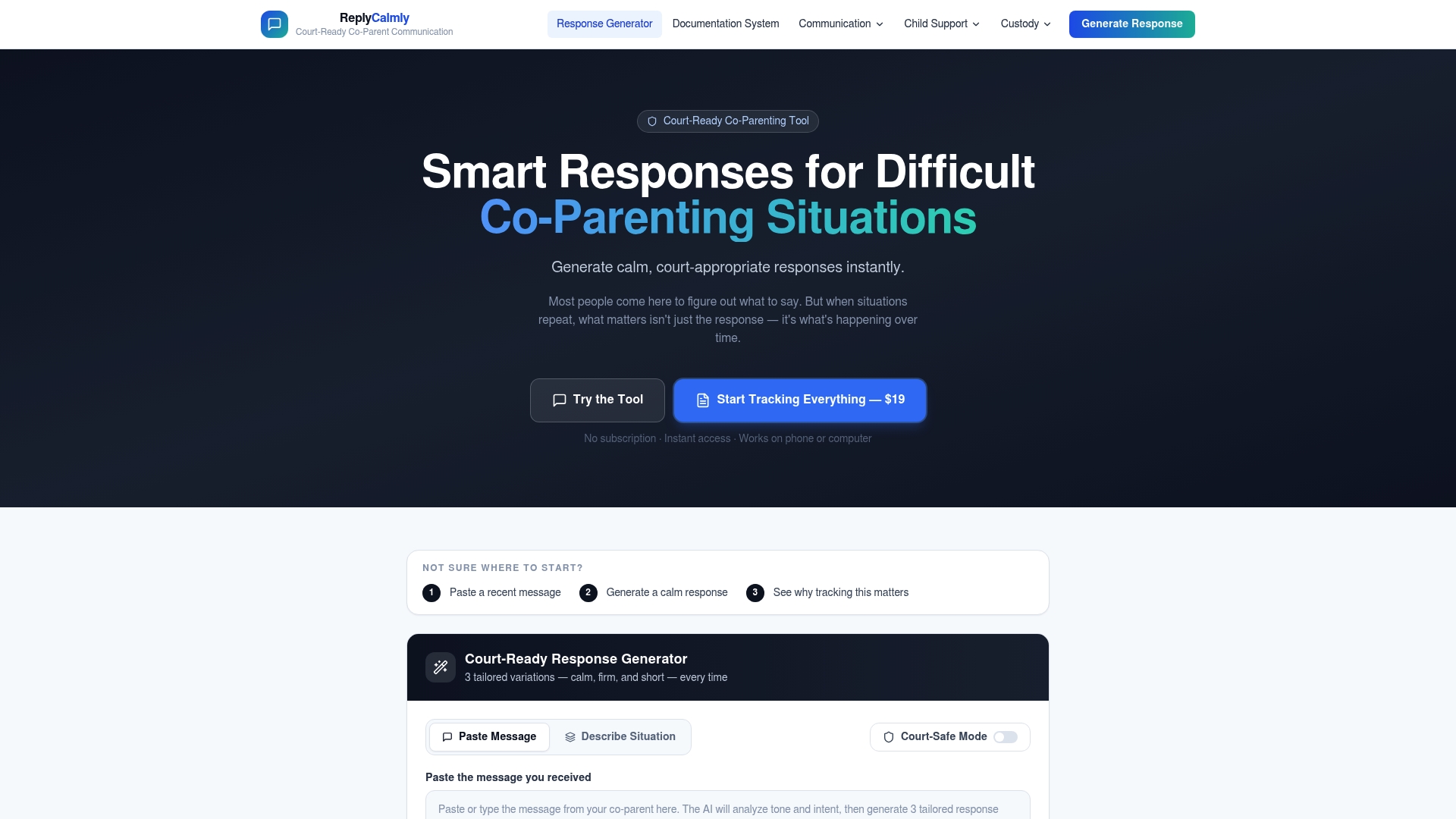
Neither tool replaces a forensic export or a properly served subpoena when the case calls for one. What they do is give you a documented pattern you can hand to your attorney alongside whatever formal records eventually come through, and they cut down on the angry, off-the-cuff texts that end up working against you in a hearing. If you're already dealing with a high-conflict co-parent, start with the free response generator to see how it handles your next difficult message, or look at the documentation and tracking features built specifically for custody cases.
Sources
Consult these primary sources and practical guides directly, and talk to counsel before relying on any of them for a specific filing: 18 U.S.C. § 2703, the Stored Communications Act compliance guide, and this overview of evidence handling in legal cases.
This article is general information, not a substitute for advice from a qualified lawyer. Consult a qualified legal professional about your own circumstances before acting on anything here.
- How To Subpoena Text Messages Guide — Buckfire
- 18 U.S.C. § 2703 — Required disclosure of customer communications or records — Cornell LII
- Text messages as evidence: Harder than you think — Burgess Forensics
- Why a screenshot isn't enough: Authenticating text messages — BD Forensics